 Photoshop
 Maya
Maya ZBrush
 Houdini
 Substance Painter
 Blender
 Unreal Engine
 Arnold
 Nuke
Nuke KeyShot
 V-Ray
V-Ray Marvelous Designer
 Marmoset Toolbag
 Mari
Mari Substance Designer
 3ds Max
 Redshift
 3DCoat
 After Effects
 Faceform Wrap
 Lightroom
 OctaneRender
 SpeedTree
 Daz 3D
 Modo
Modo Fusion
 RealityCapture
 Agisoft Metashape
 Gaea
Gaea Cinema 4D
 Gravity Sketch
 Premiere
 Procreate
 Clip Studio Paint
 SketchUp
 SketchBook
 Katana
 Natron
 Mudbox
 Quixel Bridge
 Quixel Megascans
 Quixel Mixer
 Substance 3D Modeler
 World Creator
 Yeti
Yeti Ziva VFX
 Mixamo
 Adobe Medium
 Quixel DDO
 xNormal
 Meshmixer
 Storyboard Pro
 DaVinci Resolve
 TreeIt
 World Machine
 Gaffer
 Corel Painter
 SynthEyes
 Krita
Krita Massive
 Materialize
 Unity
Unity Ornatrix
 PreForm
 Moi 3D
 animBot
 QuickTime
 ReCap
ReCap















6 Lessons
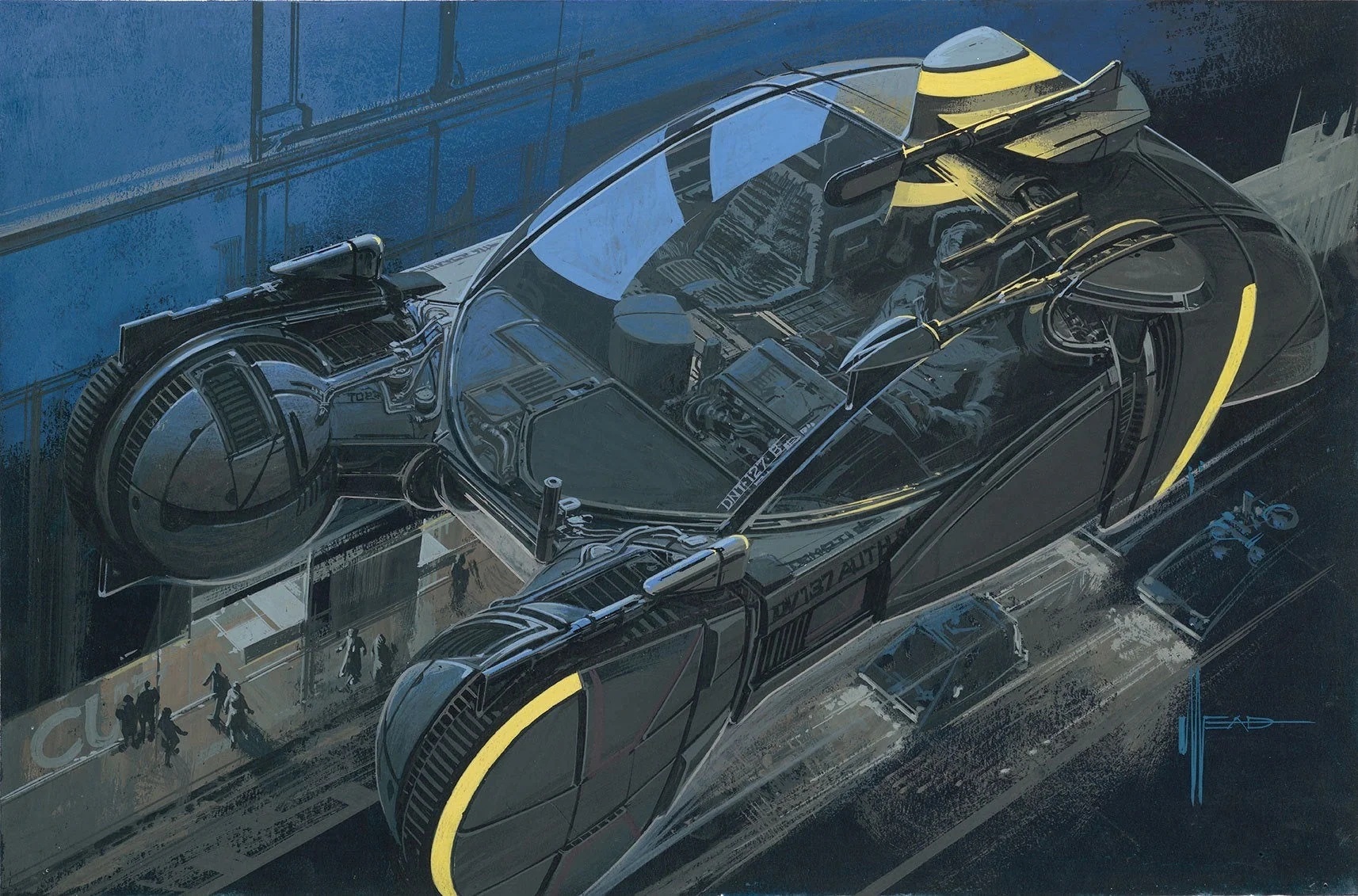
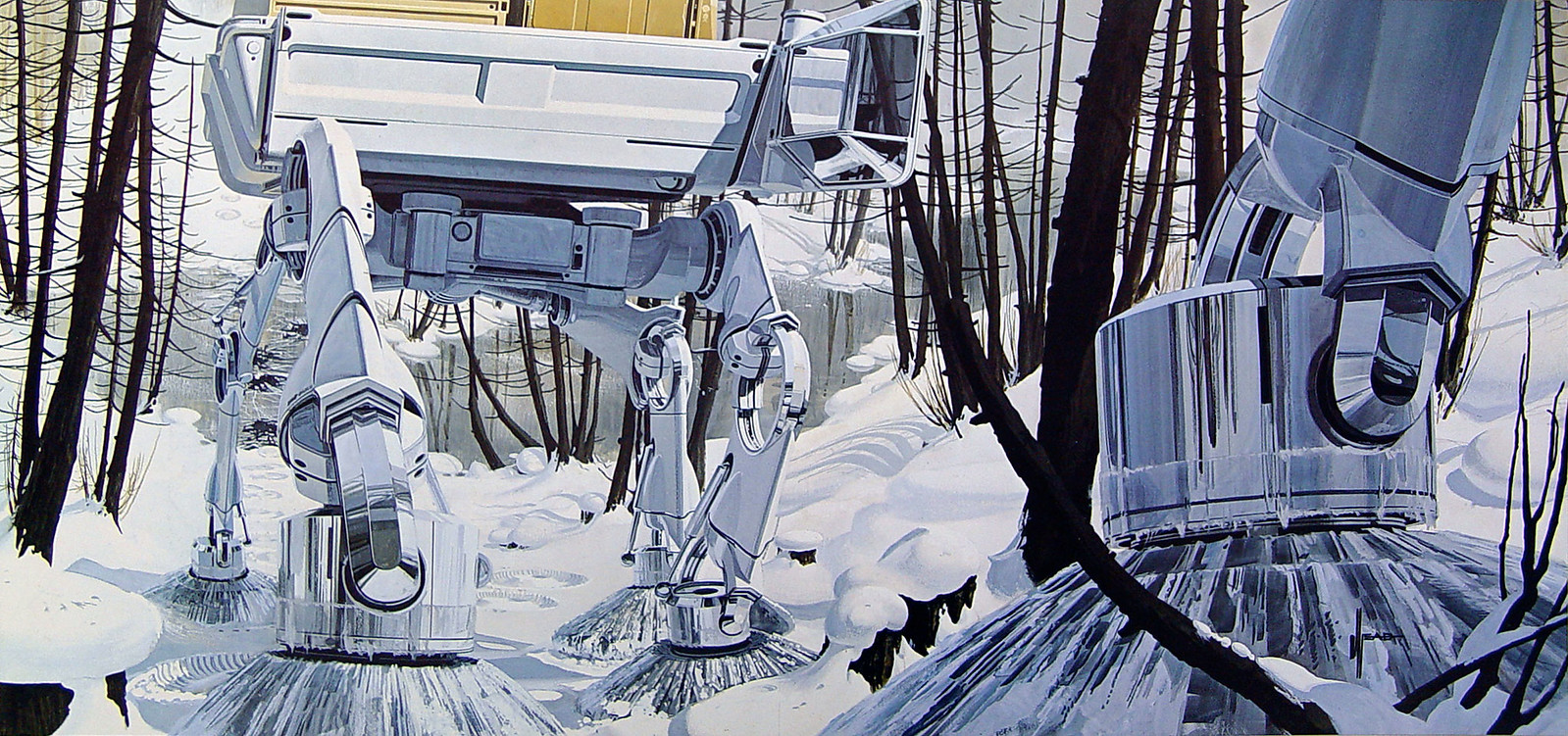
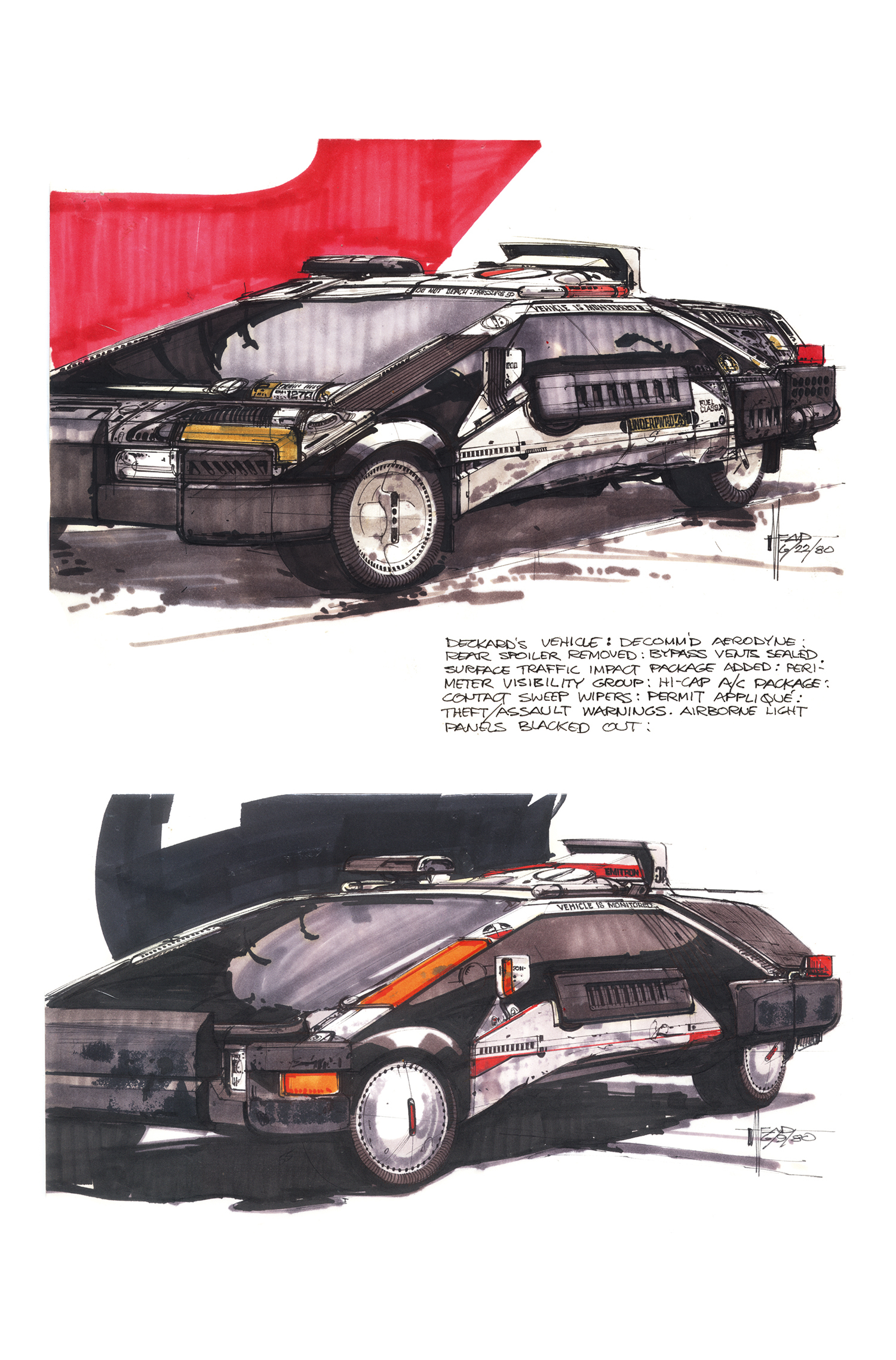
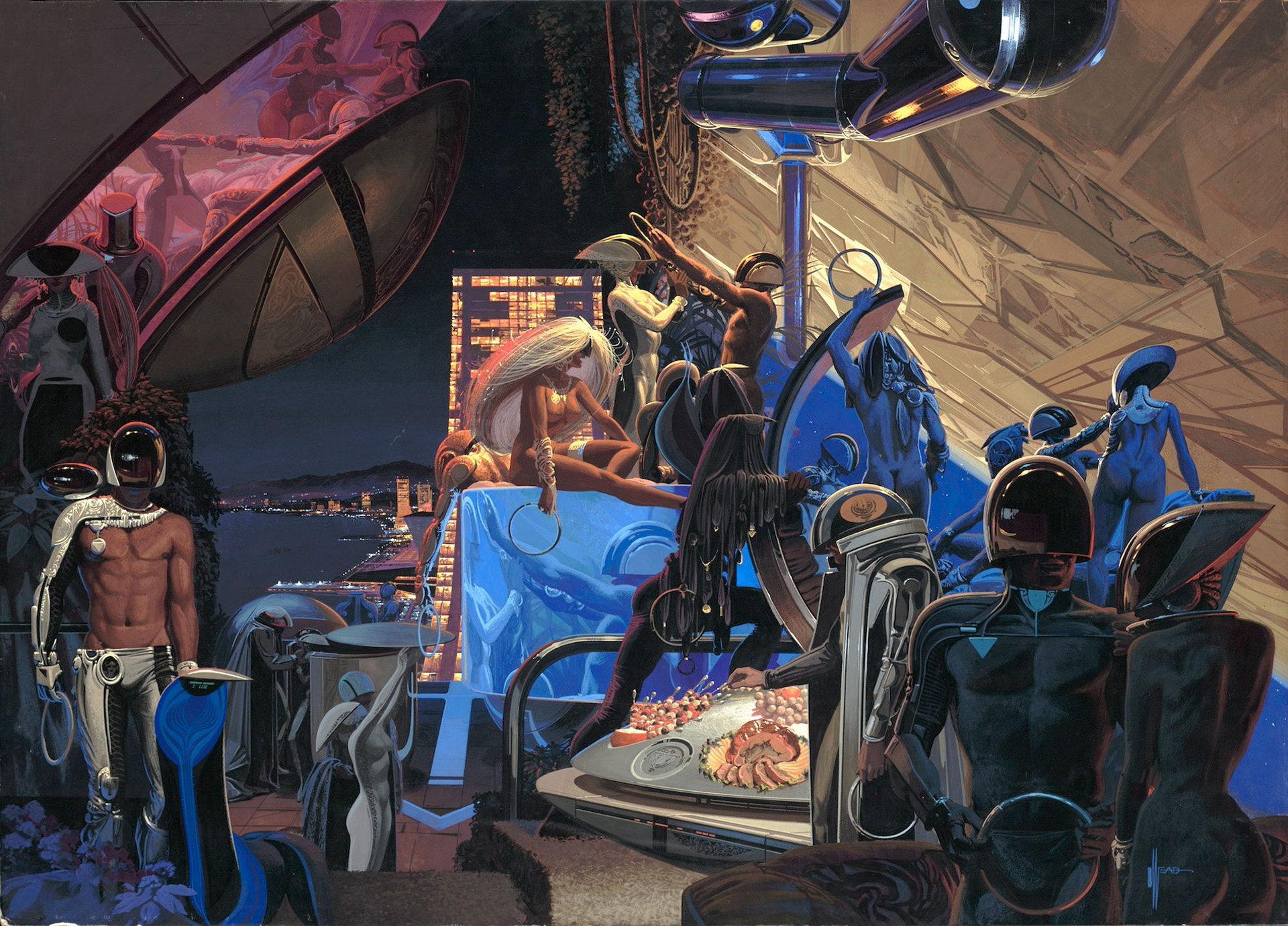
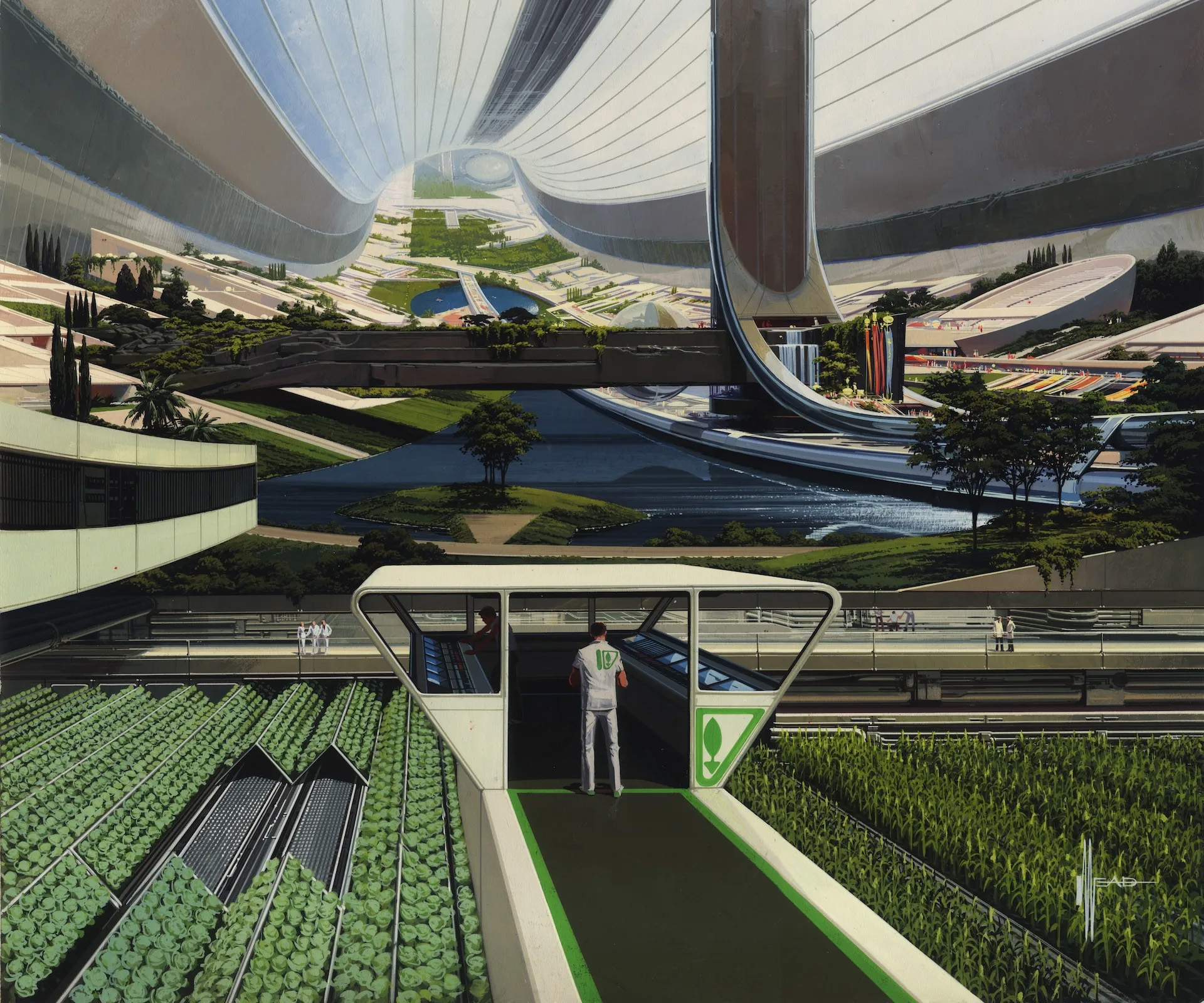
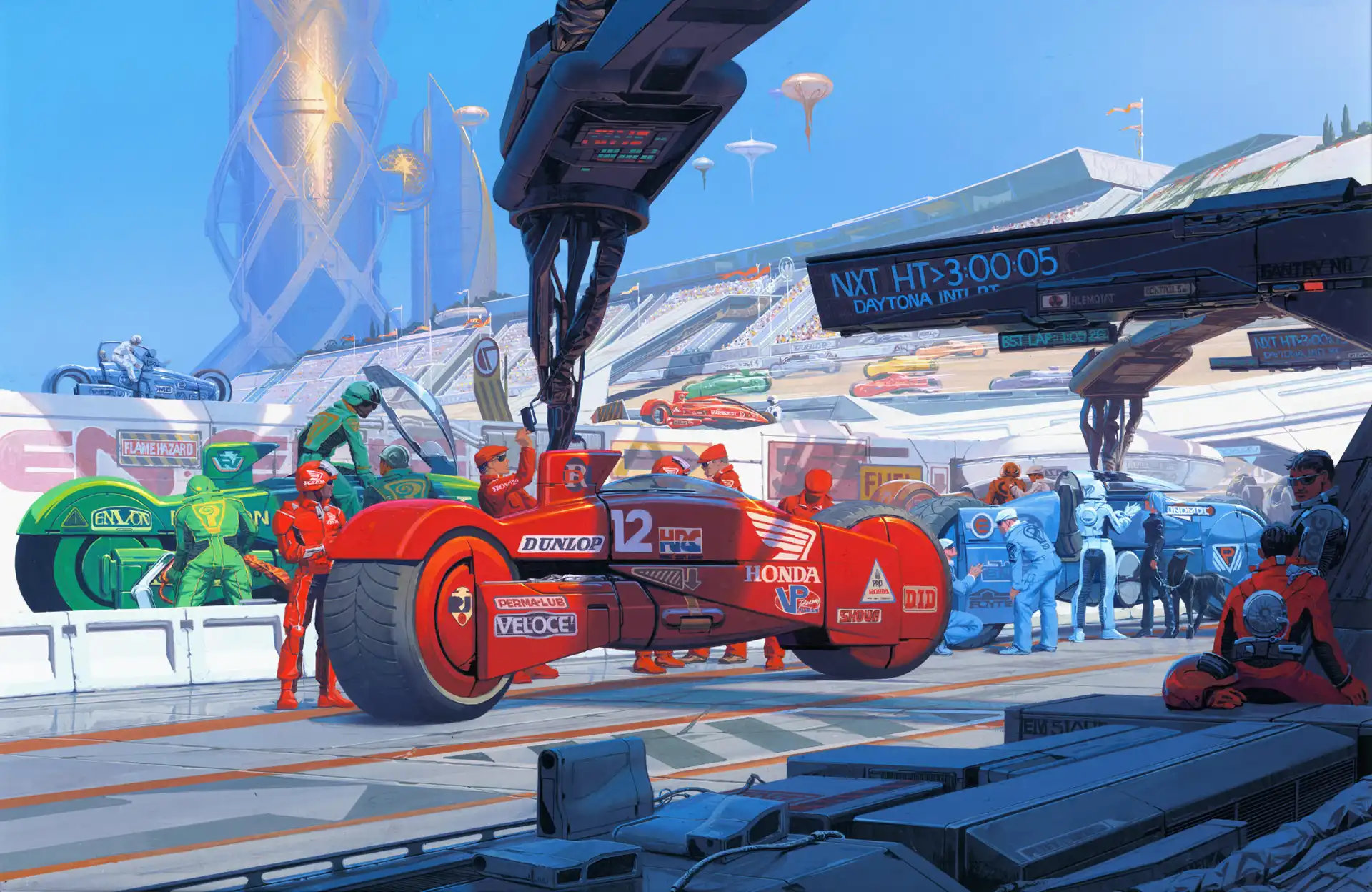
Syd Mead's second workshop volume provides insight into his approach to vehicle concept development from the perspective of an industrial designer. His method emphasizes the importance of exploring multiple perspectives and compositions through rapid adjustments before committing to a final design, with each stage building upon the previous work to ultimately produce a polished, colorized rendering.
Duration: 1m 32s

This lesson reinforces the importance of mastering fundamental principles of value and composition for successful illustration. Understanding the value range and how to place these values is critical for creating clear, believable renderings. Whether working traditionally or digitally, artists must develop the ability to see and reproduce the full value spectrum, building from light to dark while maintaining proper relationships between subject and background to create convincing three-dimensional effects in two-dimensional space.
Duration: 12m 20s

This value-study lesson represents Syd's critical preparatory phase in creating realistic illustrations, in which he first establishes the tonal structure before introducing color. By working through composition, shadow placement, detail density, and the full range from white to black at a smaller scale, artists can learn how to develop a reliable roadmap for the final rendering. His process shows that successful illustration relies on strong drawing skills and an understanding of how value creates the illusion of light, form, and space.
Duration: 38m 30s

The process demonstrated in this lesson highlights how Syd's professional illustrations require multiple stages of refinement rather than a single attempt at perfection. By assembling, scaling, and positioning individual elements, he creates a solid foundation for the final illustration. Each step provides valuable opportunities to improve the work, resulting in a more polished and cohesive final piece.
Duration: 11m 22s

In this lesson, Syd demonstrates that seemingly tedious steps — establishing geometric alignments, creating detailed line drawings, and testing compositional choices — are essential to meeting professional deadlines efficiently while maintaining artistic quality. By combining technical precision with storytelling elements, Syd creates illustrations that are both accurate and engaging, proving that thorough planning is the foundation of efficient creative execution.
Duration: 32m 55s

This final lesson in Volume 2 demonstrates Syd's design and illustration process for creating a cohesive vehicle concept and an accompanying narrative world. His approach demonstrates thorough preliminary work, and repeated visualization from various angles yields convincing illustrations. His Hyper Van project showcases how classic automotive design principles can be reimagined in futuristic settings, with supporting characters and environments that enhance the vehicle's presence and story.
Duration: 17m 7s

Skills Covered
Who’s this Workshop for?
This workshop is aimed at intermediate artists who already understand basic composition and sketching and want to strengthen their control of value in professional illustration workflows. It is especially relevant for concept artists, illustrators, and designers who need to translate rough ideas into clear, readable visuals before moving into final color or rendering stages.
Artists working in visual development, industrial design, entertainment art, and product visualization will benefit from Syd Mead’s disciplined approach to value planning. The techniques demonstrated help artists make stronger visual decisions early, ensuring clarity, depth, and cohesion in later stages of the artwork.
Learning Outcomes
By completing this workshop, artists will gain a structured approach to building strong value preliminaries that support clear, visually compelling final illustrations.
Key skills include:
- How to evaluate and select the most effective viewpoint once a composition has been established.
- How to construct a complete value structure using a limited grayscale marker range.
- How to block in major shadow shapes to define form, depth, and spatial hierarchy.
- How to control highlights and midtones to maintain readability and visual balance.
- How to develop surface detail while preserving a consistent value system.
- How to use felt-tip and marker tools efficiently for clean, intentional value rendering.
- How to establish a strong tonal foundation that supports later refinement and color work.