 Photoshop
 Maya
Maya ZBrush
 Houdini
 Substance Painter
 Blender
 Arnold
 Nuke
Nuke KeyShot
 V-Ray
V-Ray Marvelous Designer
 Mari
Mari Marmoset Toolbag
 Substance Designer
 3ds Max
 Redshift
 3D Coat
 Lightroom
 Faceform Wrap
 After Effects
 Octane Render
 Speed Tree
 Daz3D
Daz3D Reality Capture
 Agisoft Metashape
 Modo
Modo Fusion
 Gravity Sketch
 Gaea
Gaea Premiere
 Cinema 4D
 Procreate
 Katana
 Quixel DDO
 Mudbox
 Mixamo
 SketchBook Pro
 SketchUp
 Adobe Medium
 Clip Studio Paint
 Natron
 Quixel Bridge
 Quixel Megascans
 Quixel Mixer
 Substance 3D Modeler
 World Creator
 Yeti
Yeti Ziva VFX
 Massive
 Materialize
 TreeIt
 Ornatrix
 PreForm
 SynthEyes
 Corel Painter
 QuickTime
 StoryboardPro
 xNormal
 animBot
 Unity
Unity ReCap
ReCap MeshMixer
 Gaffer
 DaVinci Resolve
 World Machine
 Krita
Krita
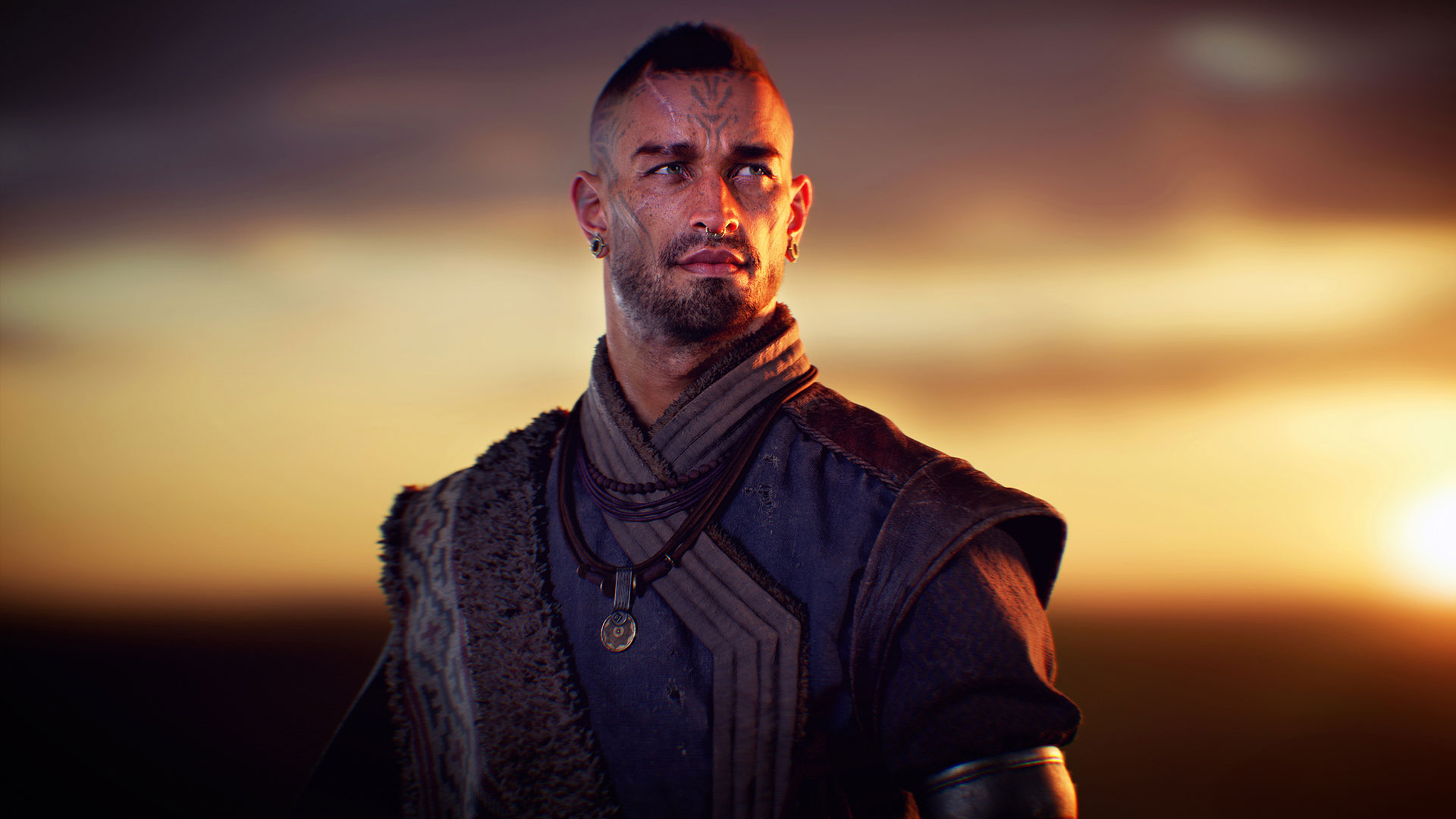









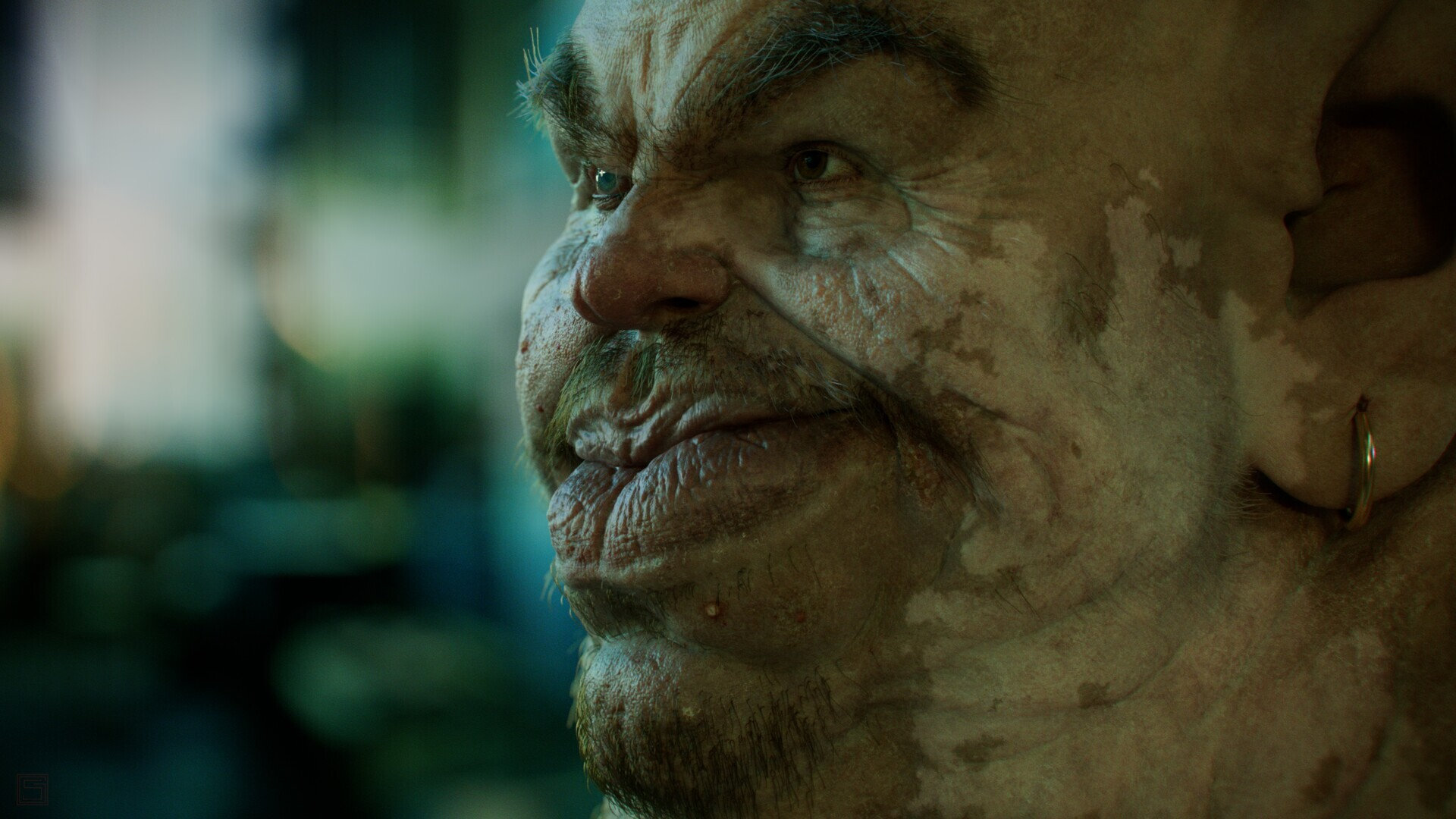
The face is one of the most complex areas of the human body, and understanding the motion of the face is even more complex. Being able to split facial motion into key shapes to be used together to form expressions not only simplifies the face but allows you to re-create these shapes in CG, and animate complex expressions. In this 5-hour workshop by Derrick Sesson, a Facial Modeler at Digital Domain, you will learn all the basics of Facial Blendshape Modeling.
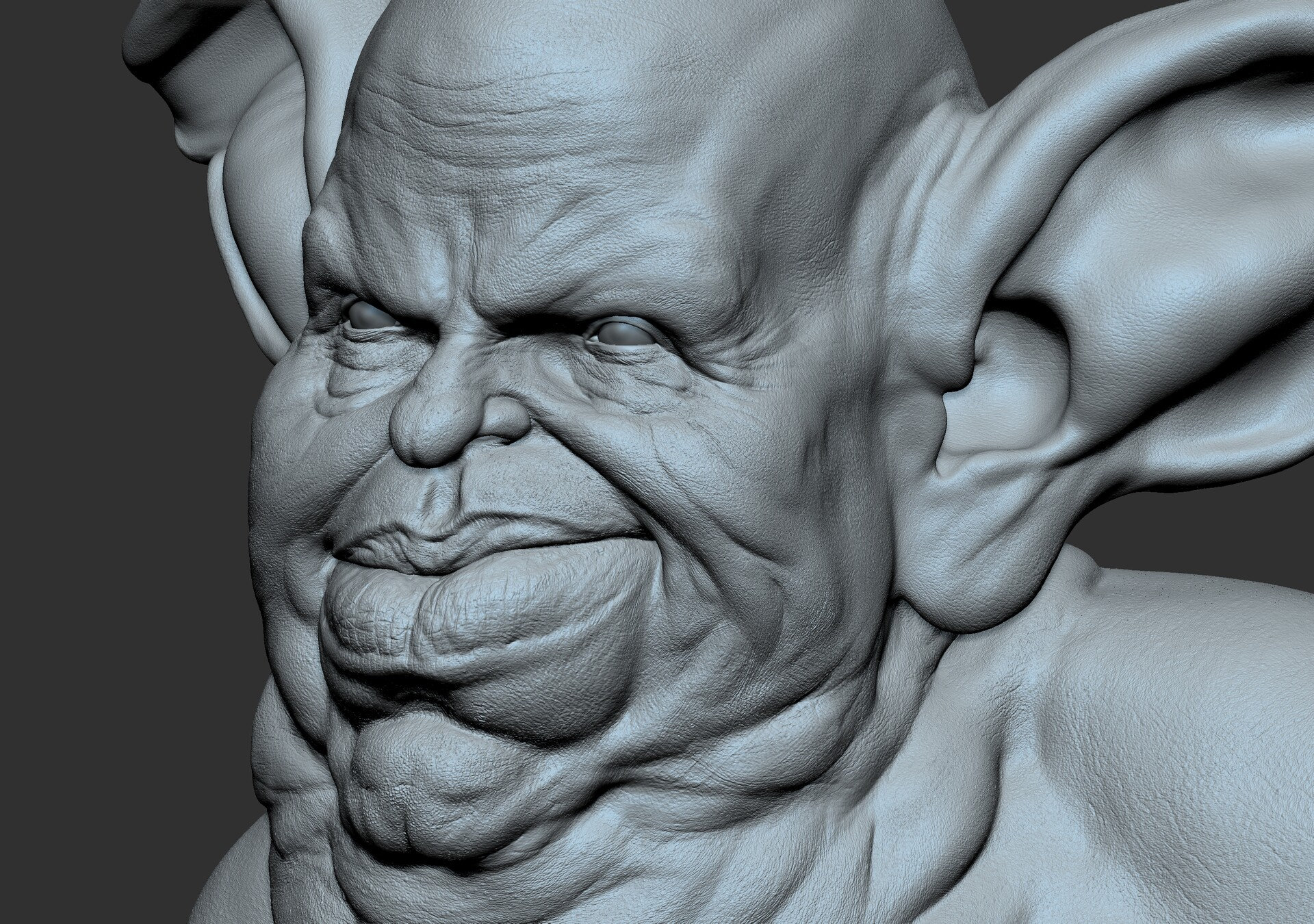
This workshop assumes you have no prior knowledge of blendshapes, and takes you through the full facial process using Autodesk Maya. Derrick starts with a thorough explanation of FACS (Facial Action Coding System), before preparing a ZBrush head for deformation, breaking down essential shapes needed for each region of the face, and blocking in those shapes with deformers, such as clusters. He shows how to refine those shapes with Maya’s sculpting tools, before bringing them all together into a blendshape node.
The concepts and lessons in this workshop will equip you with a fundamental understanding of FACS and how to create blendshapes, providing you with all the skills you need to create a set of facial blendshapes that give you the control to morph a face into any expression you like.
The head model showcased throughout the workshop was created by the talented team at 3dscanstore.com and is available for free. The skills taught can also be applied to other character head models.
11 Lessons
This workshop provides a professional, industry-standard approach to creating facial blendshapes in Maya. By focusing on the FACS system and proper model preparation, artists learn the underlying anatomical principles that drive believable facial movements. Preparation and proper topology reflect real studio workflows, making this workshop valuable for anyone pursuing professional character animation work.
Duration: 12m 50s

This lesson sets out the foundation for facial blendshape work: establishing proper topology, scale, and anatomical structure. Mastering these preparation techniques is essential before proceeding to blendshape creation, as these elements directly impact how facial expressions will deform.
Duration: 45m 5s

This lesson sets out the preparatory work necessary to establish a proper viewport visualization setup. By implementing proper shaders with realistic specular highlights, bump mapping, and a well-balanced lighting rig, artists can effectively identify skin sliding, volume changes, and facial deformations during the sculpting process. The detailed eye shader setup is particularly important for tracking where the character is looking during facial animation work.
Duration: 15m 30s

This lesson sets up a foundational workflow for creating high-quality eye blendshapes. By understanding eyelid anatomy, using multiple clusters for volume control, and carefully painting cluster weights with proper falloffs, artists can achieve believable eye movements. Derrick Sesson explains that hands-on practice is the best learning method, encouraging artists to work through the process themselves using the start file provided, referencing the completed example for guidance.
Duration: 33m 32s

This lesson demonstrates a professional workflow for creating a functional eye rig, following industry-standard practices like extracting, mirroring, splitting, and reconnecting shapes. By the end, artists will have a complete eye rig system where simple sliders control complex combinations of lid deformation and eyeball rotation, with correctives to maintain proper anatomy.
Duration: 34m 57s

This lesson covers facial rigging techniques for creating believable brow movements. Combining an understanding of anatomy with technical tools like Cluster, Shrinkwrap and Delta Mush deformers, and corrective blendshapes, artists can achieve natural skin movement. The demonstration provides a repeatable workflow for building high-quality facial rigs that offer animators intuitive control over character expressions.
Duration: 33m 32s

This lesson explores how to set up successful nose and cheek deformation. The key lies in understanding fat volume preservation and using cluster-based blocking followed by detailed sculpting. By implementing in-between shapes and constantly testing shape combinations, artists can achieve natural, believable facial animation that avoids the artificial ‘popping’ effect common in less-refined rigs.
Duration: 27m 55s

This lesson demonstrates that effective facial rigging requires an understanding of both anatomical motion and technical deformation strategies. Blocking in shapes with clusters and deformers enables artists to quickly establish motion patterns that can be refined later. Layering multiple deformers and creating Delta Mush combinations provides a flexible, artist-friendly system for achieving believable facial expressions.
Duration: 42m 42s

This lesson demonstrates that facial rigging requires both technical skills and artistic sensibility. Creating production-quality mouth shapes lies not just in making individual shapes look good, but in ensuring they interact naturally, reducing the need for hundreds of corrective shapes. By investing time early to make primary shapes work together, artists can create efficient facial rigs suitable for professional animation.
Duration: 36m 34s

This lesson demonstrates techniques for jaw rigging that balance efficiency with quality. The use of deformer-based workflows, delta extraction for correctives, and combo shapes reflects industry-standard practices involved in creating flexible facial rigs. Derrick’s approach of using existing shapes and deltas rather than pure sculpting provides a fast, maintainable pipeline for facial rigging.
Duration: 26m 20s

This final demonstration shows the functional facial rig, proving that good results are achievable even without professional-level resources like expression scans or extensive shape libraries. Derrick encourages artists to continue experimenting and refining their techniques, stressing that dedication and investment of time are key to creating high-quality facial rigs.
Duration: 2m 9s

Primary tools
For this workshop you’ll need:


Project Files
The following project files are available with this workshop. Artists are given access to Derrick Sesson's working files so they can follow along and practice the techniques demonstrated in the lessons:
- ZBrush project files (.zpr, .ztl) – Complete sculpting files including character head, teeth, and tongue
- Maya project files (.mb) - Chapter-by-chapter Maya scenes covering retopology, modeling workflows, and various stages of the production pipeline
- 3D models (.fbx, .obj) - Exportable meshes at different resolution levels, plus the jacket element
- Textures & materials (.jpg, .png, .tif) - High-quality texture maps including 8K cavity maps, plus Marmoset Toolbag scenes for advanced rendering and material setup - Derrick has provided the project files to make it easier to follow along with the workshop or jump to specific techniques artists want to study. –
Skills Covered
Who’s this Workshop for?
This workshop is designed for riggers and technical artists who want to learn the fundamentals of facial animation, regardless of their current experience level. Complete beginners with no prior blendshape knowledge will find the step-by-step approach valuable for building essential skills.
Character artists, 3D artists, and animators working in film, games, or VFX will gain industry-standard techniques used at studios like Digital Domain. The comprehensive FACS foundation and Maya-based workflow will enhance any artist's ability to create believable, controllable facial expressions for professional productions.
Learning Outcomes
By completing this workshop, artists will have mastered the pipeline for creating professional facial blendshapes using industry-standard methods.
Key skills include:
- How to understand and apply FACS principles for accurate facial expressions.
- How to prepare ZBrush head models for deformation and blendshape creation workflows.
- How to identify and create essential facial shapes for each region.
- How to block in facial shapes using Maya deformers like clusters.
- How to refine blendshape geometry using Maya's sculpting tools.
- How to combine individual shapes into functional blendshape nodes.